



Say Goodbye to Fraud: SIM-Linking Mandate Explained
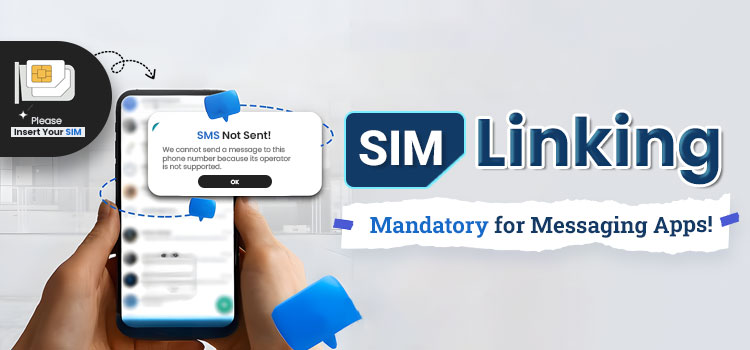
SIM-Linking Mandatory for Messaging Apps!
In a move to enhance telecommunications cybersecurity and curb cyber frauds through messaging apps, the Department of Telecommunications (DoT) has made SIM-linking mandatory for all app-based communication services. The new regulations mandate that messaging platforms such as WhatsApp, Telegram, Arattai, and any other app using Indian mobile numbers for user identification must now function only on the mobile phone with the active and valid SIM card linked to that number.
If the SIM card is removed from the device, the app service will automatically shut down. This ensures that only authorized users with legitimate mobile numbers can access these services, thereby reducing instances of fraud and misuse.
Additionally, for apps offering web or desktop versions, a new requirement will be enforced: users will be automatically logged out after a maximum of 6 hours of inactivity. To regain access, users will need to undergo re-authentication via a QR code scan, adding another layer of security.
These provisions are part of the new Telecommunication Cybersecurity regulations, introduced to combat digital crimes such as phishing, account hacking, digital arrests, and online fraud, particularly those orchestrated from abroad. The government aims to ensure that communication services in India are secure and resistant to exploitation by cybercriminals.
The DoT has given app companies 90 days to implement these changes and 120 days to submit compliance reports. This step is expected to improve the overall safety of messaging platforms and reduce the growing threat of digital fraud.
By enforcing SIM-linking, the government seeks to create a safer digital environment for users and prevent the misuse of communication services across India.